
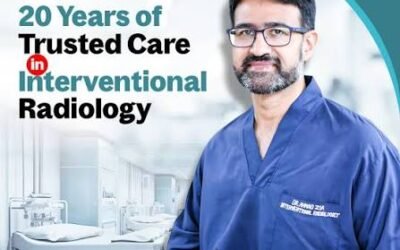

IR Clinic is a specialized interventional radiology practice in Lahore, Pakistan, providing advanced image-guided medical procedures under the care of Dr. Ahmad Zia, Consultant Vascular and Interventional Radiologist. The clinic focuses on minimally invasive treatment options for a range of vascular and non-vascular conditions, using medical imaging to guide procedures that may offer an alternative to conventional open surgery in suitable cases.
Interventional radiology combines diagnostic imaging with targeted medical treatment. Instead of relying on large surgical incisions, many procedures use small punctures, thin catheters, needles and specialized instruments guided by imaging techniques. This approach allows specialists to reach specific blood vessels, organs or affected tissues while planning treatment around each patient’s medical condition.
At IR Clinic, patients can seek consultation for conditions involving liver tumours, uterine fibroids, varicocele, thyroid nodules, vascular narrowing, dialysis access problems and other conditions that may be suitable for image-guided intervention. The clinic’s services are designed to help patients understand available treatment options and determine whether an interventional radiology procedure is appropriate for their needs.
Comprehensive Interventional Radiology Services
IR Clinic offers a range of vascular and non-vascular procedures. Treatment recommendations depend on the patient’s diagnosis, medical history, imaging findings and suitability for the proposed intervention.
Liver Tumour Treatment and Cancer-Related Procedures
The clinic provides image-guided treatment options for selected liver tumours, including primary liver cancer and metastatic lesions. These procedures may be considered when a patient requires a targeted treatment approach as part of an individualized cancer-care plan.
Available treatment options include:
- Transarterial Chemoembolization (TACE): A procedure that delivers chemotherapy medication directly to blood vessels supplying a liver tumour, followed by embolic material to restrict its blood supply.
- Y-90 Radioembolization: A targeted treatment involving the delivery of radioactive microspheres through the blood vessels supplying selected liver tumours.
- Tumour Ablation: Techniques such as radiofrequency or microwave ablation use controlled energy to destroy selected tumour tissue. Ablation may be considered for suitable liver, kidney and lung lesions.
The appropriate procedure depends on tumour characteristics, location, stage of disease and the patient’s overall health. Consultation and medical assessment are important before deciding on any cancer-related intervention.
Varicocele Embolization
Varicocele is a condition involving enlarged veins around the testicles. It may be associated with scrotal discomfort, heaviness and fertility-related concerns. Varicocele embolization is a minimally invasive procedure that aims to close the abnormal veins responsible for the condition.
At IR Clinic, the procedure is performed using image-guided catheter techniques. Small coils or other embolic materials are used to block the affected veins and redirect blood flow through healthier pathways. It can be an alternative to conventional surgical treatment for appropriately selected patients.
Men experiencing persistent scrotal discomfort, diagnosed varicocele or fertility concerns can consult a specialist to understand whether embolization is a suitable option.
Uterine Fibroid Embolization
Uterine fibroids can cause symptoms such as heavy menstrual bleeding, pelvic discomfort, pressure and abdominal fullness. Uterine fibroid embolization, also known as uterine artery embolization, is a minimally invasive procedure that reduces the blood supply to fibroids.
The procedure involves guiding a catheter into the arteries supplying the fibroids and introducing small embolic particles. Over time, reduced blood flow can cause the fibroids to shrink and may help improve associated symptoms.
This treatment may be considered by women seeking an alternative to certain surgical approaches. Individual assessment is essential, particularly when future pregnancy plans and reproductive health are important considerations.
Angioplasty and Vascular Interventions
IR Clinic also provides angioplasty and stenting procedures for selected vascular conditions. Angioplasty involves using a small balloon catheter to widen a narrowed blood vessel and improve blood circulation. A stent may be placed when required to help maintain the vessel’s opening.
These procedures are relevant to certain patients with restricted blood flow or vascular narrowing. The specialist evaluates the affected vessel and the underlying condition before recommending an intervention.
Thyroid Nodule Ablation
Some benign thyroid nodules can cause visible neck swelling, pressure or discomfort. For selected patients, thyroid nodule ablation offers a minimally invasive treatment option that targets the nodule while aiming to preserve surrounding healthy thyroid tissue.
Depending on the clinical assessment, techniques such as radiofrequency ablation or ethanol injection may be considered. Patients should undergo appropriate diagnostic evaluation to establish the nature of a thyroid nodule and determine whether ablation is suitable.
Dialysis Fistula Venoplasty and Stenting
A functioning vascular access is important for patients receiving haemodialysis. Narrowing within a dialysis fistula or its associated veins can interfere with blood flow and affect dialysis access.
Dialysis fistula venoplasty uses a balloon catheter to widen the narrowed section of a blood vessel. In selected cases, a stent may also be required to help maintain blood flow. These image-guided procedures are intended to address access-related narrowing and support the continued use of the dialysis access.
Additional Image-Guided Procedures
The clinic’s wider interventional radiology services also include several other procedures for selected medical conditions, such as:
- Prostate Artery Embolization: An option for certain men with urinary symptoms associated with benign prostate enlargement.
- Varicose Vein Treatment and Sclerotherapy: Procedures used to manage selected abnormal or enlarged veins.
- Biopsy Procedures: Image-guided tissue sampling to support the diagnosis of certain diseases.
- Drainage Procedures: Placement of drainage tubes to manage selected fluid collections, cysts or abscesses.
- Nephrostomy and Ureteric Stenting: Procedures used to help relieve urinary obstruction and establish drainage.
- PICC Line, Permcath and Port Insertion: Image-guided placement of vascular access devices for treatments such as chemotherapy, dialysis and long-term medication.
- Thrombectomy: A procedure to remove blood clots from selected blood vessels.
- Image-Guided Pain Injections: Targeted injections for selected spinal, joint or soft-tissue pain conditions.
These services cover a broad range of interventional radiology needs, from vascular care and cancer-related interventions to diagnostic procedures and urinary drainage.
Dr. Ahmad Zia – Consultant Vascular and Interventional Radiologist
The clinical practice at IR Clinic is led by Dr. Ahmad Zia, whose professional profile highlights specialist training and experience in diagnostic and interventional radiology in Pakistan and the United Kingdom.
His listed qualifications and professional credentials include:
- MBBS from Allama Iqbal Medical College, Lahore.
- Fellow of the Royal College of Radiologists (FRCR), London.
- European Board of Interventional Radiology (EBIR).
- Member of the Royal College of Surgeons of Edinburgh (MRCS).
- Certificate of Completion of Specialist Training (CCST) in Diagnostic and Interventional Radiology.
- European Certificate of Interventional Oncology (ECIO), listed for 2025.
His professional experience includes consultant-level roles at healthcare institutions in the United Kingdom and Pakistan. His profile also lists previous positions at the Pakistan Kidney and Liver Institute (PKLI), Lahore, and Nottingham University Hospitals NHS Trust and Imperial College Healthcare NHS Trust in the UK. The clinic’s doctor profile further identifies his academic association with Shalamar Institute of Health Sciences.
This background supports the clinic’s focus on specialist image-guided procedures, vascular and non-vascular interventions, and individualized clinical assessment.
Patient Consultation and Treatment Process
Choosing an interventional radiology procedure begins with understanding the patient’s diagnosis and reviewing relevant medical information. IR Clinic describes a consultation process in which Dr. Ahmad Zia reviews medical history and diagnostic imaging, discusses suitable treatment options, and develops an individualized plan where an intervention is appropriate.
The general process includes:
- Appointment Request: Contact the clinic by phone, email or its online appointment form.
- Medical Evaluation: Discuss symptoms, medical history and available investigation reports.
- Treatment Discussion: Review appropriate options, including whether an image-guided procedure may be suitable.
- Procedure Planning: Receive instructions and arrange scheduling when treatment is recommended.
- Follow-Up: Obtain post-procedure guidance and follow-up assessment as advised by the treating specialist.
Patients should bring relevant scans, laboratory reports, previous treatment records and medication details to their consultation. The treating doctor can explain the expected benefits, possible risks, alternatives and recovery considerations for the proposed procedure.
Why Choose IR Clinic?
Patients considering specialist interventional radiology services in Lahore may find the following features relevant:
- Specialist-led practice: Clinical services are led by Dr. Ahmad Zia, a consultant vascular and interventional radiologist.
- International professional credentials: The doctor’s profile lists FRCR, EBIR, MRCS and other specialist qualifications.
- Minimally invasive treatment options: Services include embolization, ablation, angioplasty and other catheter-based procedures.
- Vascular and non-vascular expertise: The clinic covers a variety of conditions involving blood vessels, organs and other tissues.
- Cancer-related interventions: Selected liver tumour treatments, including TACE, Y-90 and tumour ablation, are included in the service portfolio.
- Image-guided procedures: Medical imaging is used to guide interventions and support accurate placement of instruments.
- Multiple consultation locations: Appointment information is provided for Bahria International Hospital Orchard and Shalamar Hospital in Lahore.
- Individualized treatment planning: Patients can discuss their diagnosis and available options before deciding on an appropriate treatment.
Visit IR Clinic for Interventional Radiology Consultation in Lahore
IR Clinic provides specialized interventional radiology services for patients seeking consultation about minimally invasive, image-guided treatment options. Its service range includes liver tumour interventions, fibroid and varicocele embolization, angioplasty, thyroid nodule ablation, dialysis fistula procedures, biopsies and other vascular and non-vascular treatments.
Patients and referring healthcare professionals can contact the clinic to arrange an appointment with Dr. Ahmad Zia, discuss a medical condition and determine whether specialist interventional radiology assessment is appropriate.
For appointment availability and consultation timings at either hospital, patients are advised to contact the clinic directly before visiting.

